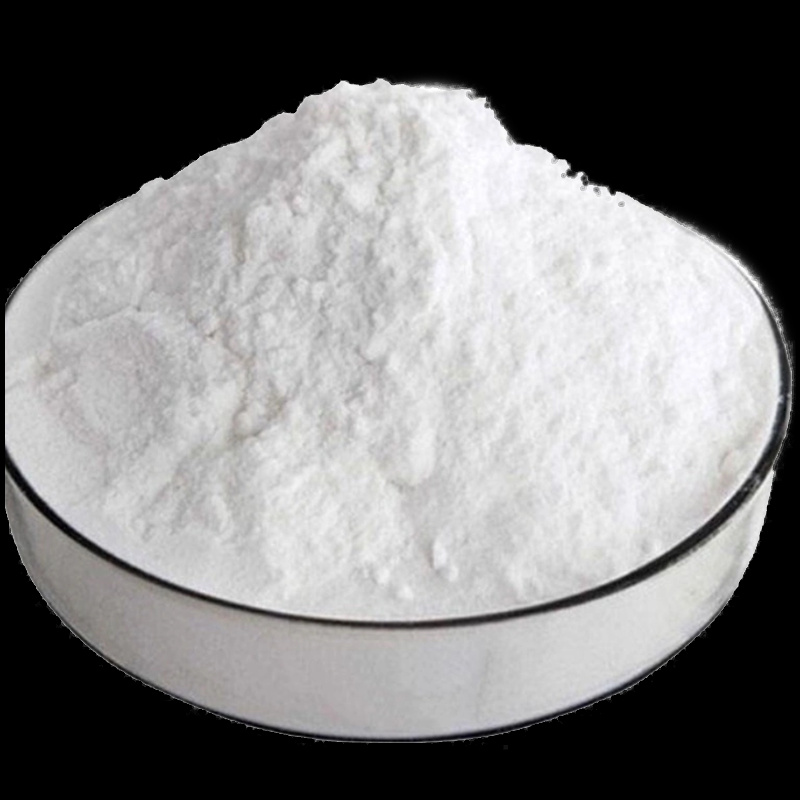
**Potassium Carbonate Uses Highlighted in Recent Industry Report**Potassium carbonate, a versatile inorganic compound, continues to demonstrate a wide range of applications across multiple industries, reinforcing its status as an essential chemical in both industrial and consumer sectors. Recent industry insights have underscored the growing demand for potassium carbonate driven by its multifunctional properties, making it a crucial ingredient in manufacturing processes worldwide.### What is Potassium Carbonate?Potassium carbonate (K2CO3) is a white, water-soluble salt often referred to as potash. Known for its alkaline nature, it acts as a mild base, making it highly valuable in applications that require neutralization or pH regulation. The compound's compatibility with both organic and inorganic substances allows it to serve a diverse set of roles, from food processing to glass manufacturing.### Industrial Applications of Potassium CarbonateOne of the dominant uses of potassium carbonate is in the production of glass. It serves as a fluxing agent, which lowers the melting point of silica, thereby enhancing manufacturing efficiency and the quality of the final product. This is especially important in the production of specialty glasses, including those used in screens and optical lenses, where purity and clarity are critical.Apart from glass production, potassium carbonate is widely employed in the soap and detergent industry. It functions as a buffering agent and improves the cleaning power of various formulations. Its capacity to soften water and stabilize pH levels ensures that soaps and detergents perform effectively even under challenging conditions. Manufacturers benefit from its environmentally friendly profile as well since it decomposes into non-toxic byproducts.In agriculture, potassium carbonate contributes to fertilizer formulations, supplying potassium—one of the three essential macronutrients for plant growth. The compound promotes healthy root development and improves drought resistance in crops. Its solubility ensures rapid availability to plants, thereby enhancing productivity in both conventional and organic farming.### Food Industry ContributionsPotassium carbonate finds significant utilization in food processing, especially in the production of noodles and other baked goods. It acts as a pH regulator, improving texture and quality. In traditional Asian cuisines, potassium carbonate is a key ingredient in alkaline noodles, providing the characteristic chewiness and color. Additionally, it can function as a raising agent and an acidity regulator in various food products, ensuring consistent taste and texture.Moreover, its use as a buffering agent helps maintain the stability of food preservation systems. Due to its generally recognized as safe (GRAS) status by regulatory bodies, potassium carbonate is preferred over other alkalis in food applications, aligning with increasing consumer demands for safe and non-toxic additives.### Environmental and Safety BenefitsCompared to other alkalis, potassium carbonate is favorable due to its low toxicity and minimal environmental impact. It is biodegradable and does not accumulate in the environment, making it a sustainable choice for industries aiming to reduce their ecological footprint. Its mild alkalinity minimizes handling risks, ensuring safer working conditions for personnel.### Future Outlook and Market TrendsWith global advancements in green technologies and sustainable manufacturing, potassium carbonate is poised for expanded use. The growing electric vehicle market and advancements in battery technologies have opened new pathways where potassium carbonate plays a role, particularly in electrolyte formulations. Additionally, the increasing demand for high-performance glass in electronics and automotive sectors is expected to further fuel consumption.### About the CompanyThe company behind this report is a leading manufacturer and supplier of specialty chemicals, including potassium carbonate. With decades of industry experience, the company dedicates itself to innovation, quality, and sustainability. Their state-of-the-art production facilities employ stringent quality control measures to ensure that every batch meets international standards. The company emphasizes customer-centric solutions, tailoring chemical formulations to meet diverse industrial needs while prioritizing environmental and safety considerations.By maintaining robust research and development initiatives, the company continually identifies new applications for potassium carbonate, supporting industries transitioning toward more sustainable and efficient practices. Their comprehensive distribution network ensures timely delivery to global markets, underscoring their commitment to reliability and service excellence.### ConclusionPotassium carbonate remains a vital compound with a broad spectrum of uses that span from traditional manufacturing to cutting-edge technologies. Its multifunctional properties, environmental advantages, and growing demand in emerging sectors position it as a chemical of choice for various industries. With experienced manufacturers driving innovation and sustainability, the future of potassium carbonate is set to expand, contributing to advancements in both industrial processes and consumer products.As industries evolve, the role of compounds like potassium carbonate will be integral to achieving performance efficiency while adhering to stricter environmental standards, highlighting its importance in the global chemical landscape.
Read More